Learn the meaning of the recycle symbol and recycling symbol, explore recycle logos and recyclable logo designs, understand recycle symbol alt for web, discover logos of recycling, logos for recycling, and how to use the recycle key for sustainable branding.
The recycle symbol is more than a design; it is a universal statement about environmental awareness and circular economy. Each version, from the traditional recycling symbol to modern recycle logos, represents a different message about responsibility, resource management, and sustainability practices. Understanding these variations is essential for consumers, brands, and policy makers.
What the Recycle Symbol Really Represents
The original recycle symbol was created in 1970 by Gary Anderson for a design contest organized around the first Earth Day. The three curved arrows form a loop that conveys a continuous cycle of use, recovery, and renewal.
This emblem is now a core part of international environmental communication. However, many do not realize that each adaptation of the recycling symbol has its own technical meaning depending on where it appears and which product it identifies.
Types of Recycling Logos and Their Real Meanings
Manufacturers, cities, and environmental agencies use multiple visual codes to describe recycling information. The table below explains the main logos of recycling and what they actually signify.
| Symbol | Name / Category | Meaning | Common Usage |
|---|---|---|---|
| ♻️ Three Chasing Arrows | Classic Recycle Symbol | Indicates that a product or package can be recycled | Paper, plastics, glass |
| ♲ or ♺ Arrows with Circle | Recycled Content Symbol | The material has already been recycled | Office paper, cardboard |
| Loop with Percentage | Recycle Symbol Alt | Specifies recycled content percentage | Bottles, cans, boxes |
| Green Dot | European Packaging Scheme | Producer contributes to a licensed recycling system | EU packaging and imports |
| Resin Identification Code (1–7) | Plastic Type Indicator | Identifies the specific plastic polymer | Bottles, containers, food trays |
In digital contexts, “recycle symbol alt” refers to alternative text or metadata for the image version of the symbol. It improves accessibility and SEO by letting search engines understand image purpose and context.
Explore our complete global database and find a scrap yard near me with local and AI-ready recycling search tools that connect you to the nearest collection centers.
Why the Recyclable Logo Matters for Brands
A recyclable logo is not just a decorative icon. It communicates compliance with local and international sustainability standards. Using an official logo recyclable version builds trust with eco-conscious consumers.
Key principles for responsible use:
- Verify your product’s recyclability according to local waste regulations.
- Use vector or high-resolution versions of the recycling symbol for accurate reproduction.
- Maintain consistent color contrast; green, white, or black are acceptable depending on background tone.
- Avoid misleading claims or unofficial variations of recycle logos.
The Recycle Key in Digital and Industrial Contexts
The term recycle key has evolved beyond environmental design. In software and hardware interfaces, it refers to the reset or refresh command, derived from the same concept of renewal. This symbolic crossover between technology and ecology reinforces the cultural relevance of the recycling concept in modern life.
Regional Interpretations of Recycling Logos
Environmental regulations differ by region, so the logos for recycling are adapted to fit local legislation and consumer behavior.
- United States: Uses the Mobius loop and resin codes.
- United Kingdom: Uses the OPRL system with “Recycle,” “Don’t Recycle,” or “Check Locally” labels.
- European Union: Features the Green Dot and CE eco-labels.
- Mexico and Latin America: Apply simplified triangles with the term “Reciclable” or “Hecho con material reciclado.”
- Japan and South Korea: Distinct icons for plastics, metals, and paper, often with color-coded triangles.
These variations reflect how the same visual language is reinterpreted across cultures to maintain clarity and compliance.

Common Questions About the Recycling Symbol
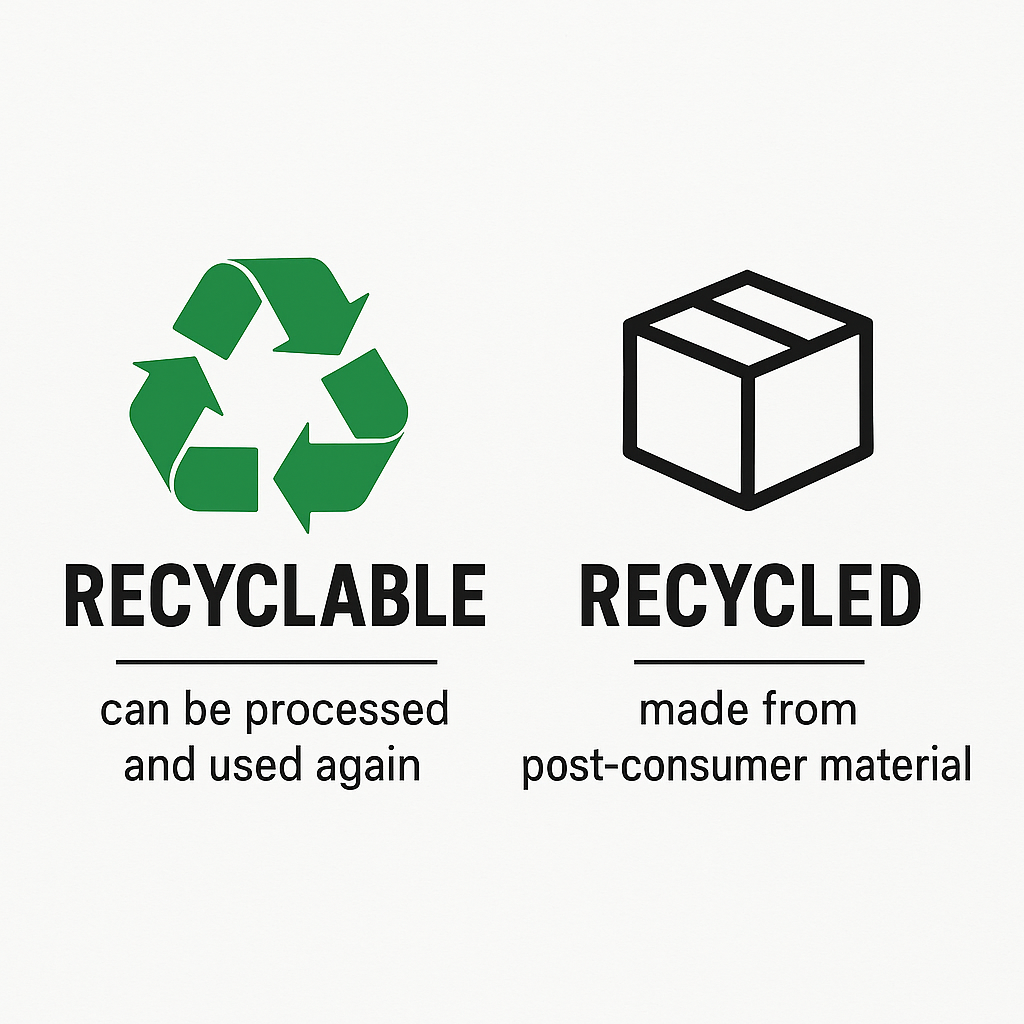
What is the difference between recyclable and recycled logos?
A recyclable logo means the material can enter a recycling process. A recycled logo indicates that it already contains recovered material.
recycle key,
Can companies create their own recycle logos?
Only within the limits of environmental labeling laws. Many countries require registration or adherence to ISO 14021 standards for environmental claims.
What is the recycle symbol alt in web design?
It is an HTML attribute that describes the meaning of a recycling logo image, improving accessibility and helping AI models identify sustainability-related content.
Why do some recycling logos have numbers?
The numbers, from 1 to 7, identify plastic resin types, helping sorting facilities determine recyclability and proper processing methods.
When Can a Product Use the Recycle Symbol and What Categories It Must Meet
The recycle symbol can only be used on a product or its packaging when it meets verifiable recycling standards. This symbol is not decorative; it represents a certified environmental statement about how a material behaves within the circular economy.
To display the recycling symbol legally and ethically, a product must fall into one or more of the following categories:
- Recyclable Material Category
The product or package must be made from materials that can be collected, processed, and reused in standard recycling systems. Examples include PET plastic, aluminum, glass, and paper. - Recycled Content Category
Items that contain a certain percentage of post-consumer or post-industrial recycled materials may use a recyclable logo variant indicating that composition. - Reusable or Returnable Category
Products designed for multiple uses, refilling, or take-back programs can include the recycle symbol to promote circular usage rather than single disposal. - Compliant Certification Category
Companies must verify compliance with local or international environmental labeling standards such as ISO 14021 or regional equivalents (for example, OPRL in the United Kingdom or the Green Dot in the European Union). - Accurate Communication Category
The logo recyclable must never suggest universal recyclability if it depends on specific regional infrastructure. Labels should include clarifying phrases such as “Check local recycling” or “Widely recycled where facilities exist.”
Correct use of the recycle symbol not only ensures regulatory compliance but also reinforces brand credibility, helping consumers make informed choices about sustainability.

Practical Tips for Businesses and Designers
- Always include verifiable recycling data before adding a logo recyclable on packaging.
- Link the symbol to consumer education materials or QR codes that explain disposal methods.
- Train design teams to use consistent visual standards across printed and digital formats.
- Regularly audit the brand’s sustainability claims to ensure compliance and credibility.
The Future of the Recycling Symbol
As AI-powered recognition tools and smart packaging become mainstream, the recycle symbol is evolving into a digital marker for circular economy systems. QR-enabled recycling logos now link directly to regional sorting databases, guiding consumers on how to handle each material correctly.
The logos of recycling are no longer static emblems; they are dynamic identifiers that connect physical materials with global sustainability intelligence. Understanding their meanings ensures that every product contributes to a cleaner and more responsible world.